“Why aren’t our people doing what we want them to do?“
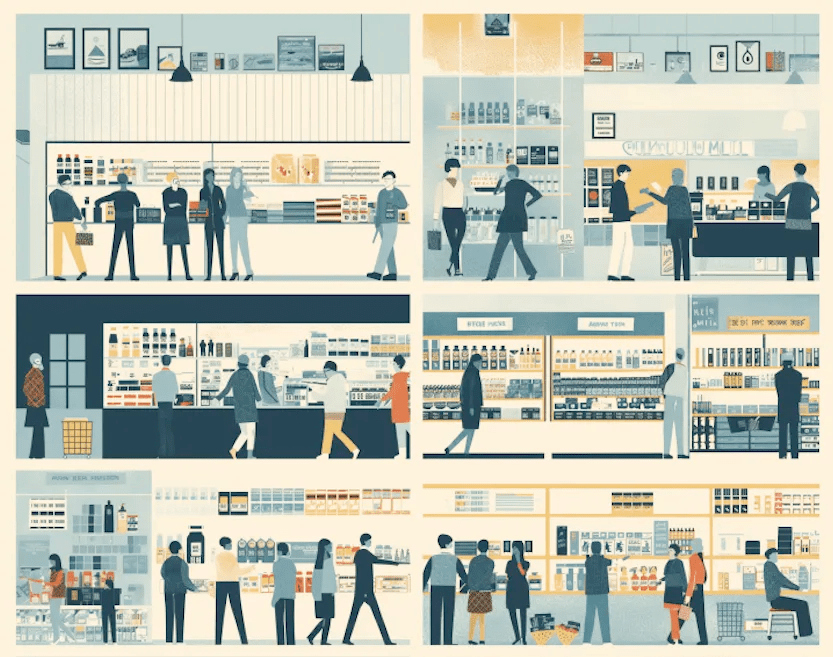
I recently teamed up with Amplify to observe shoppers and sellers up close at luxury retail stores around the United States. We wanted to know what’s adding to or subtracting from a great experience. Here’s some of what we learned.
The retailer wanted to know why there was a disparity among sellers. Their sales associates had inconsistent performance. Training programs weren’t working. It was, presumably, a skills problem.
I spent months embedded in their stores—and their competitors’ as well—watching sellers sell and shoppers shop, observing the actual moments when purchasing decisions happen. And, perhaps more importantly, when they don’t happen.
The performance problem wasn’t about product knowledge or sales technique. It was about emotional intelligence.
We discovered two types of successful salespeople: those with natural empathic curiosity, and those who provided great service but wouldn’t get personal with customers.
Both hit sales targets. The empathic ones had a hidden advantage for growing those always-valuable long-term relationships, in that they understood something others missed:
Luxury customers aren’t just buying products. They’re seeking confidence, identity, and human connection.
A sample of customer concerns:
“I had a baby recently. My body has changed and people relate to me differently.”
“I’m in a new executive role and don’t know how to present myself.”
“I’m dating for the first time in years after losing my wife.”
Powerful. Yet the most actionable insight came when staff asked “why are you here today?” instead of “what can I get you,” or “there’s a big sale today.”
Unfortunately 75% of the interactions we observed focused on products and promotions, not the person.
 Ah, Humans